





SPECIALITIES

Oculoplasty

Surgery and care for the eyelids, tear ducts and the structures around the eye.

*Monday to Saturday, 9 am to 8 pm | Consultations from 8:45 am

Consultations
Habsiguda and Chanda Nagar. Surgery at Habsiguda.
Insurance and Schemes

EHS, CGHS and cashless insurance accepted for medically needed procedures. Cosmetic procedures are generally not covered.

Treatment Type

Mostly day care, under local or general anaesthesia.

Understanding Oculoplasty

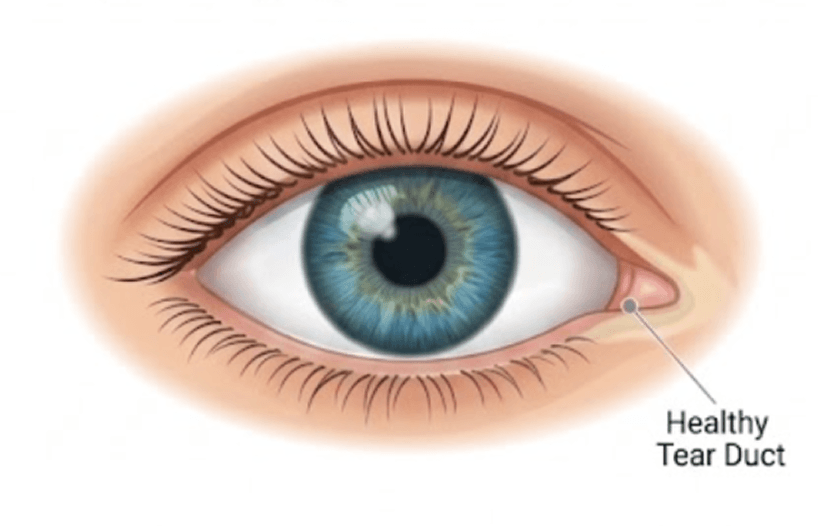
Healthy Eye
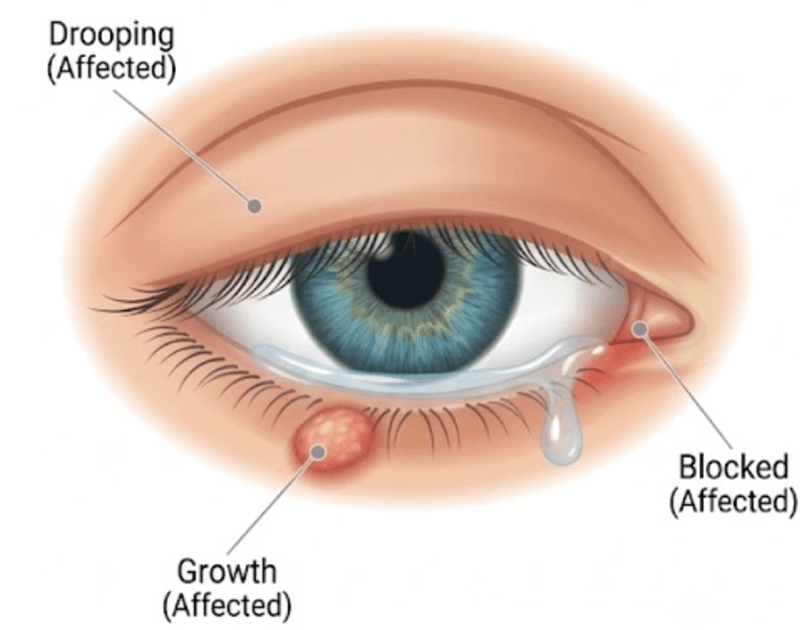
Drooping Eyelid
(Ptosis, blocked vision)

What does oculoplasty treat?

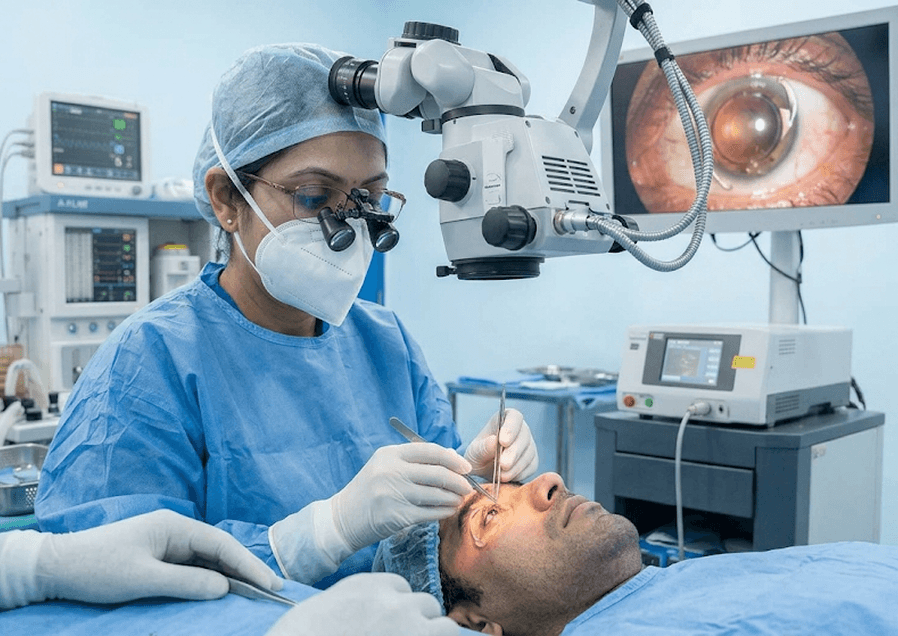
Oculoplasty treats the eyelids, the tear drainage system, the bony socket around the eye (the orbit) and nearby tissue. It combines eye care with reconstructive surgery.

Most treatment is functional: protecting the eye, restoring vision or tear drainage, or removing growths. Some treatment is cosmetic.

  • Droopy eyelids
  • Constant watering and discharge
  • A lump or swelling in or around the eyes
  • Inward or outward turning of the eyelid
  • Bulging and bigger-appearing eyes
  • Excess skin hanging over the eye and blocking vision

Causes: ageing, with weaker muscles and loose skin; present from birth (drooping eyelid, blocked tear duct); injury; infection; thyroid disease; growths and tumours; chronic eyelid inflammation.

Risk factors: age; thyroid disease, and smoking, which worsens thyroid eye disease; diabetes; family history of a drooping eyelid; eye injury; earlier eyelid or eye surgery; long sun exposure, which raises the risk of eyelid skin cancers.

  • Eyelid: Droopy eyelid (ptosis); eyelids turning in (entropion) or out (ectropion); styes, chalazion, lumps and tumours; eyelid injuries.
  • Tear duct: Blocked tear duct; tear sac infection.
  • Orbit: Thyroid eye disease; fractures after injury; infection and tumours.
  • Socket: Reconstruction and artificial eye.
  • Cosmetic: Excess eyelid skin (blepharoplasty), hollowness, fine lines, Botox and fillers.
  • Wear protective eyewear to prevent injury
  • Keep the eyelids clean and use warm compresses. Do not squeeze styes.
  • Keep thyroid disease under control and stop smoking
  • Wear sunglasses and a hat in strong sun
  • Get any eyelid lump that grows, bleeds or causes lash loss checked
  • If a baby’s eye keeps watering, show a doctor instead of waiting

See a doctor promptly for swelling with fever, pain and redness around the eye, sudden bulging of the eye, vision loss, or any injury to the eyelid or eye.

1. Diagnosis

An eyelid, tear duct or orbit problem is confirmed with detailed eye examination. Tests may include:

Eyelid and Eye Examination

Checks eyelid position, muscle function and the eye

Tear Drainage Test

Checks whether the tear duct is open

Imaging

CT or MRI for orbit problems

Biopsy

Tests a suspicious lump

2. Treatment

Treatment depends on the cause. Many conditions are treated first with medicine or a simple procedure. Surgery corrects position, drainage or growths.

When is treatment needed?

When the problem affects vision, protection of the eye, tear drainage or health, or when a growth needs removal. Your doctor will guide the timing.

Without surgery: 

Warm compresses, eyelid hygiene and medicines for infections and inflammation. Thyroid eye disease is managed with medicine in its active stage.

Surgical Options:

Eyelid lump removal and reconstruction: Removes growths while restoring natural eyelid shape and function.

Ptosis correction: Lifts a drooping eyelid.

Orbital surgery: Fracture repair, decompression for thyroid eye disease, tumour removal.

Entropion and ectropion repair: Turns the eyelid back into position.

Socket reconstruction and artificial eye: Restores eye socket structure to naturally support a prosthetic eye.

DCR (dacryocystorhinostomy): Creates a new drainage path for a blocked tear duct.

Got a diagnosis? Ensure you’re on the right track with a second opinion:

3. Recovery and Post-Op Care

First Week
  • Use cold compresses for the first 48 hours
  • Sleep with your head raised
  • Use drops or ointment as prescribed
  • Do not rub the area
  • After DCR, do not blow your nose forcefully for 1 to 2 weeks. A little blood-tinged discharge from the nose is expected.
Weeks 2-4
  • Swelling and bruising settle over 1 to 2 weeks
  • Avoid heavy exercise and bending for about 2 weeks
  • No eye makeup until healed
  • Scars fade over weeks to months
Follow-up
  • Stitches are usually removed after about a week.

Call us or visit immediately for bleeding that does not stop, increasing pain, fever, pus, or a drop in vision.

Got questions about your recovery?

Planning Your Care

Know what is covered, what it costs and what to bring.

1.
Diagnosis
Diagnosis
2.
Treatment
Treatment
3.
Recovery
Recovery

Insurance & Schemes

What will it cost?
Consultation fee:

₹700
₹350 for EHS/CGHS beneficiaries

Surgery: Depends on the procedure and the anaesthesia

Before your visit
Bring:

Plan for: 1-2 hours

Unsure where to start? We’re here to help!

Frequently Asked Questions

Is oculoplasty only cosmetic?

No. Most of it is functional or reconstructive, such as protecting the eye, restoring drainage or removing growths. Some procedures are cosmetic.

It is common and often due to a blocked tear duct. Many open on their own in the first year. See a doctor if it persists or if there is discharge or swelling.

It does when the eyelid blocks vision or affects the eye. Your doctor first finds the cause.

It is a well-established surgery for a blocked tear duct. Your doctor explains the approach and recovery.

Incisions are placed in natural eyelid creases where possible. Some procedures, such as DCR, can be done without an outside scar.

Most are harmless, such as a stye or chalazion. A lump that keeps growing, bleeds or causes lash loss needs to be checked.

Yes. Treatment depends on the stage and can include medicine, and surgery later if needed.

Eyelid, tear duct or
eye socket concern?

Book an oculoplasty consultation at Habsiguda or Chanda Nagar.

Scroll to Top