





Cataract
Cloudy or blurred vision from clouding of the eye’s natural lens. Treated with day care surgery.
*Monday to Saturday, 9 am to 8 pm | Consultations from 8:45 am
Habsiguda and Chandanagar. Surgeries available at both the locations.
EHS, CGHS and cashless insurance accepted. Aarogyasri does not cover cataract surgery.
Day care, usually no overnight stay is required.
Understanding Cataract
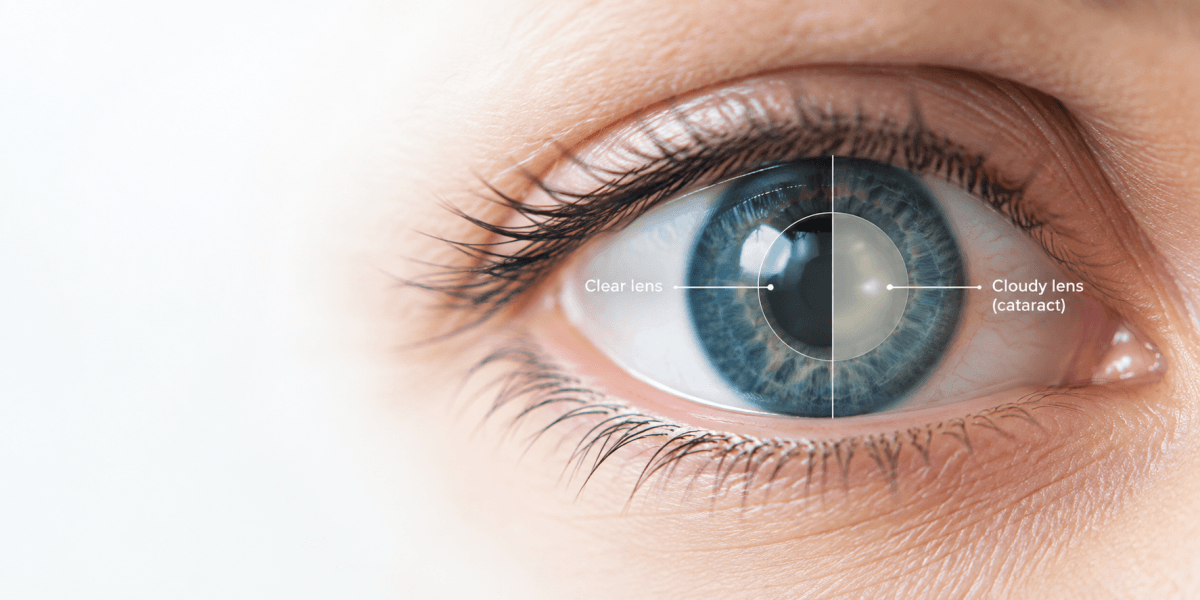
Clear Lens
(Healthy vision)
Cloudy Lens
(Blurry vision)
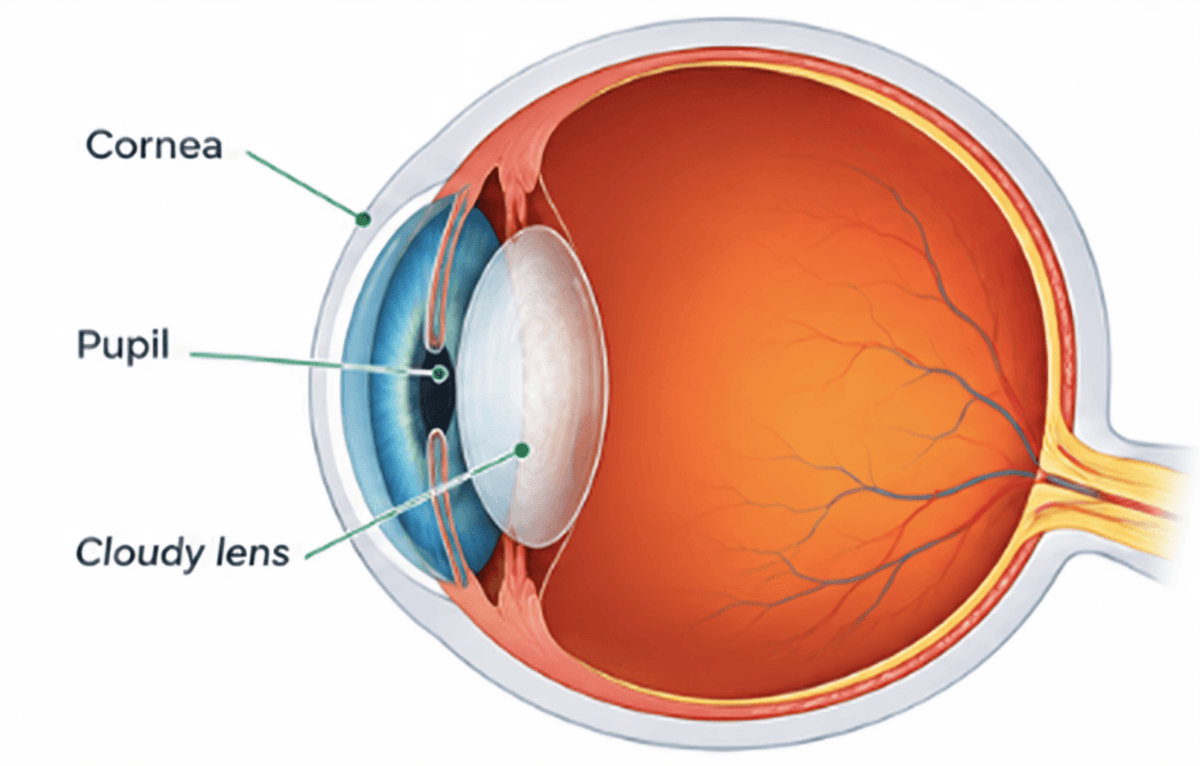
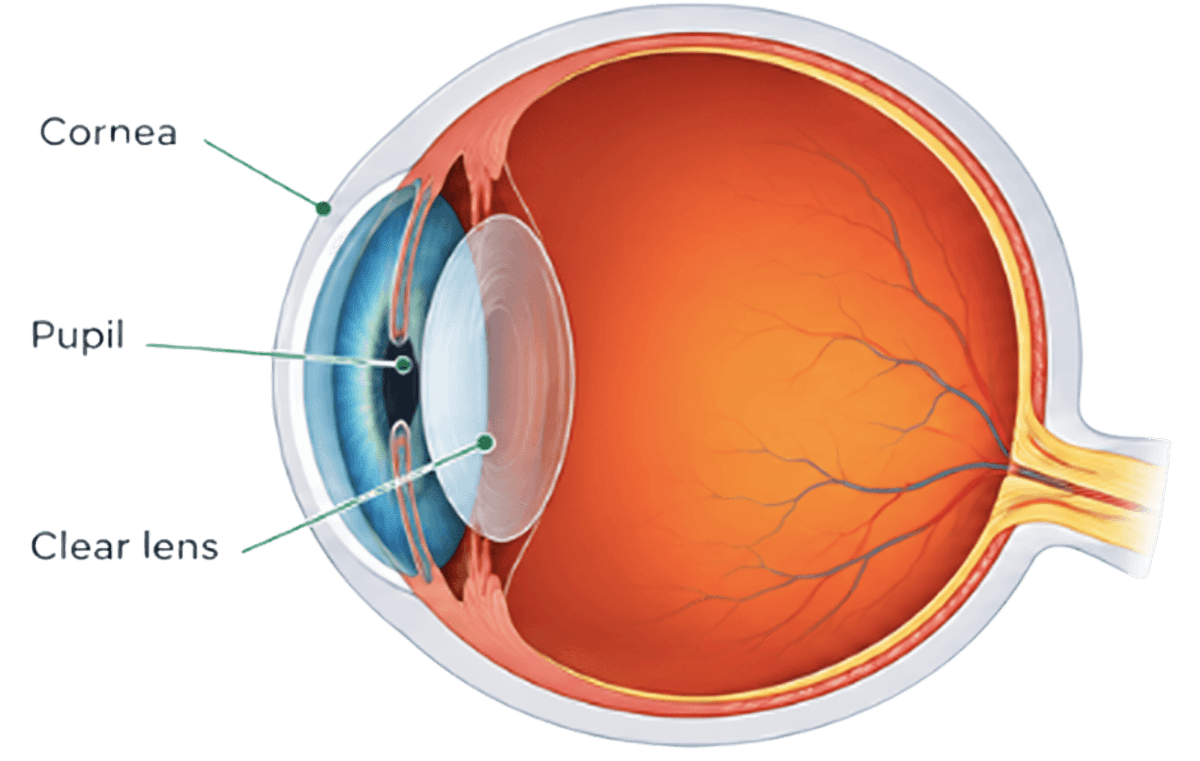
What happens to the lens?
- The lens sits behind the pupil and focuses light onto the retina. In a cataract, the lens slowly turns cloudy, so vision becomes blurred, dim or hazy.
- It develops gradually and is not painful. Once it affects daily life, surgery to replace the cloudy lens with a clear artificial lens (IOL) is the treatment.
- No eye drops or medicines can clear a cataract.
- Blurred, cloudy or dim vision
- Glare or halos around lights, especially while driving at night
- Colours looking faded or yellowish
- Frequent changes in glasses power
- Double vision in one eye
- Difficulty reading in low light
Causes: ageing, which clumps and clouds the lens proteins; diabetes; long-term steroid use; eye injury or earlier eye surgery; eye inflammation; present from birth.
Risk factors: age above 40; diabetes; family history; smoking and heavy alcohol use; long sun exposure without eye protection; high blood pressure.
By position in the lens: nuclear (centre), cortical (edges), posterior subcapsular (back).
By cause: age-related, congenital, traumatic, secondary (linked to diabetes, steroids, inflammation or earlier surgery).
Age-related cataract cannot be fully prevented, but its progress can be slowed.
- Wear UV-protective sunglasses outdoors
- Do not smoke
- Keep blood sugar and blood pressure under control
- Use steroid medicines and drops only as prescribed
- Wear protective eyewear for work or sports with injury risk
- Get an eye check-up every year after 40
See a doctor promptly for sudden vision loss, eye pain, or redness with a drop in vision. These are not typical of cataract.
1. Diagnosis
A cataract is confirmed with a detailed eye examination.
Pressure Check
Vision, glasses power and eye pressure check
Slit-lamp Examination
A close look at the lens and the front of the eye
Dilated Eye Examination
Checks the lens and the retina behind it
Biometry
Measures the eye to calculate the power of the implanted lens
2. Treatment
Surgery is the only treatment that clears a cataract. The technique and lens depend on your eye.
When is surgery needed?
When the cataract affects reading, driving, work or safety. There is no need to wait for it to become fully mature. Your doctor will guide the timing.
Without surgery:
In the early stage, updated glasses, anti-glare lenses and better lighting help. This is temporary.
Choosing your lens:
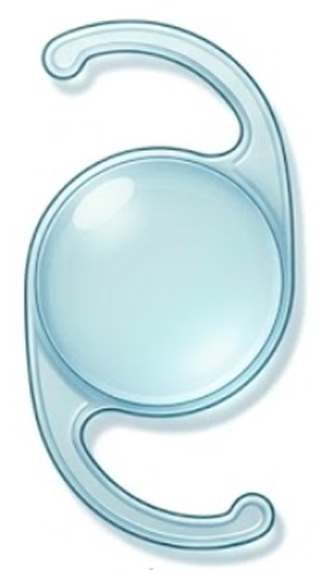
Monofocal lenses provide clear vision at one distance, so glasses are usually needed for other distances.
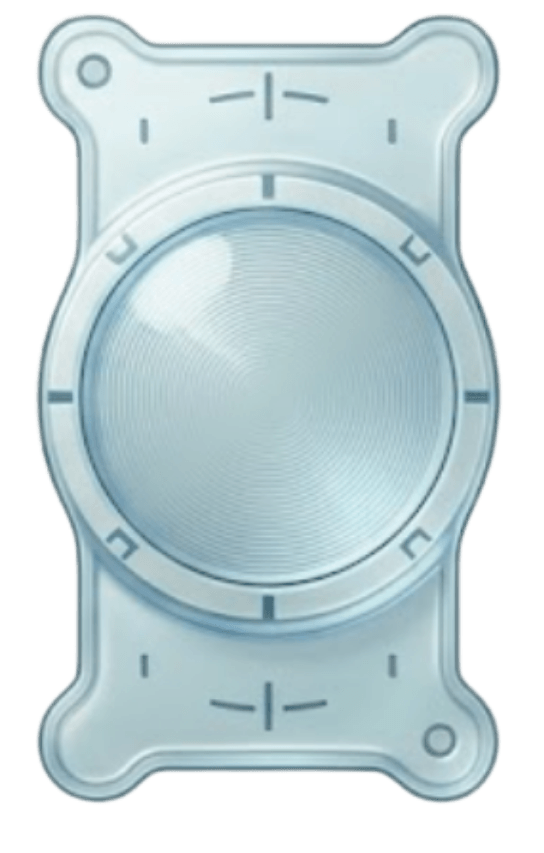
Toric lenses provide clear vision and also correct astigmatism.
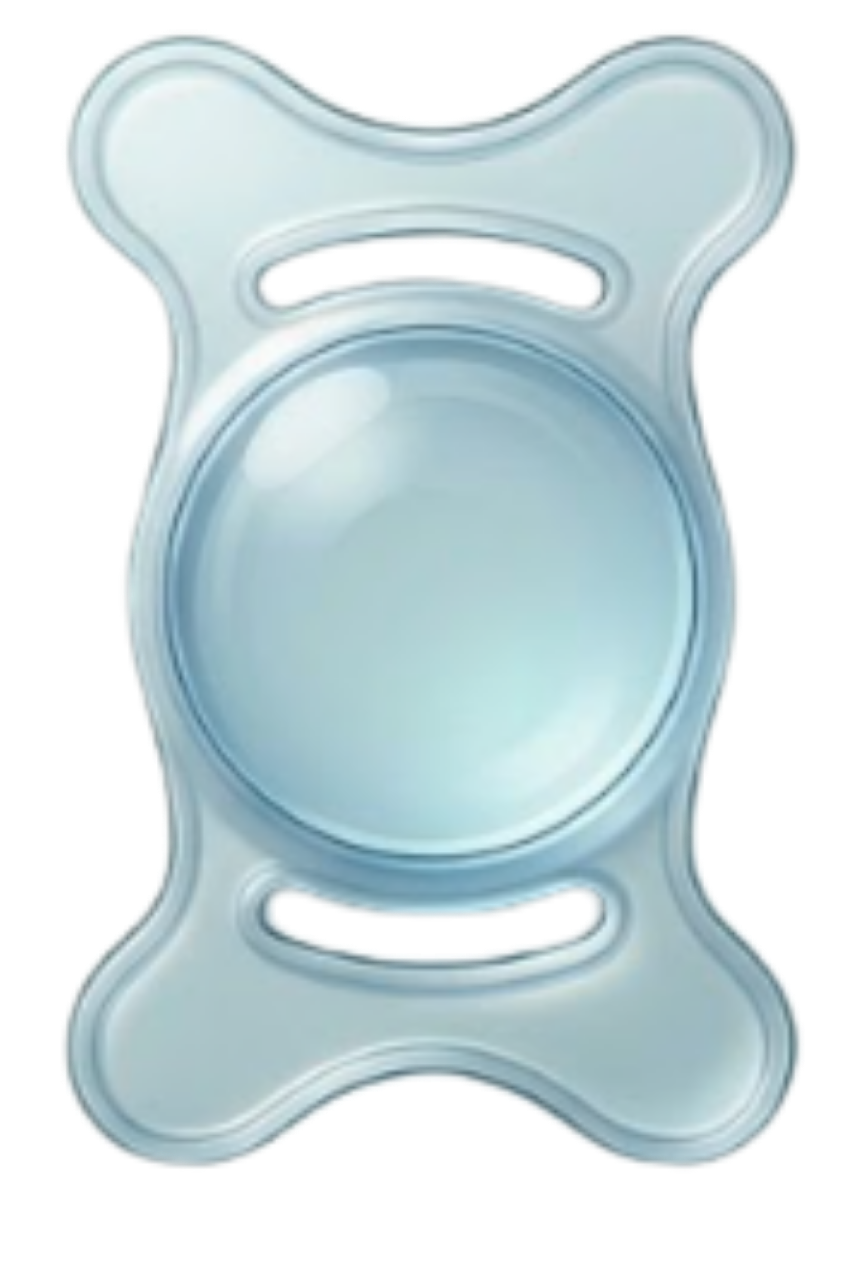
Multifocal lenses reduce dependence on glasses for both near and distance vision.
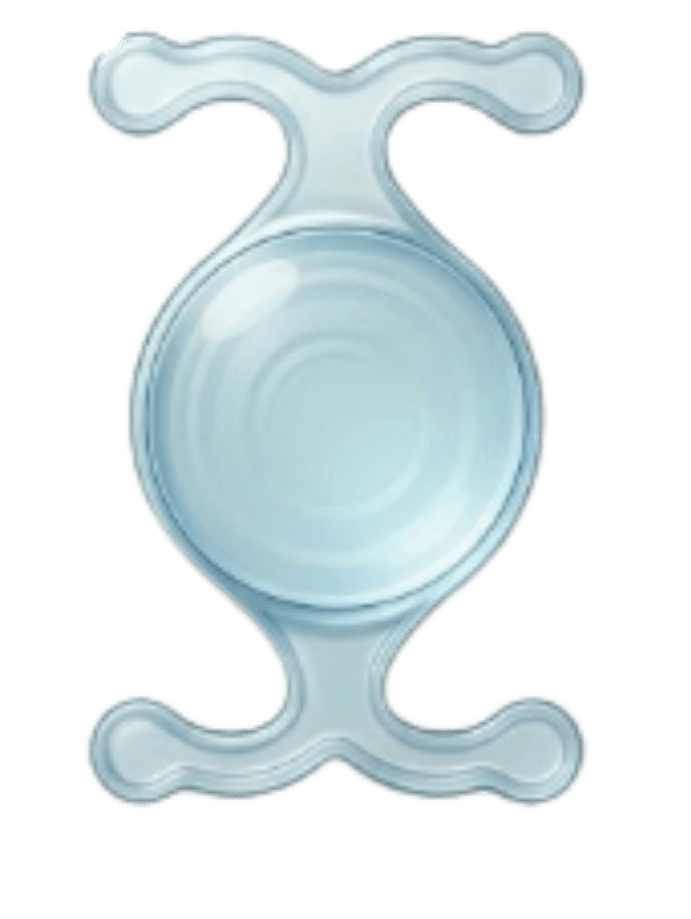
Extended Depth of Focus provides a broader range of clear vision than standard monofocal lenses, potentially reducing dependence on glasses for certain activities.
Surgical Options:
Phacoemulsification (Phaco):
The cloudy lens is broken up and removed through a very small incision, and a foldable lens is placed.
Manual small-incision cataract surgery (MSICS):
Used for harder, denser cataracts through a slightly larger, self-sealing incision.
Got a diagnosis? Ensure you’re on the right track with a second opinion:
3. Recovery and Post-Op Care
Specialised care. For every stage of your vision.
- Use eye drops exactly as prescribed
- Wear the eye shield while sleeping
- Do not rub or press the eye
- Keep water and soap out of the eye
- Wear sunglasses outdoors
- Avoid dust, smoke and eye makeup
- Avoid heavy lifting and strenuous exercise
- Avoid swimming until your doctor allows it
- Reading, watching TV and engaging in light activities are fine
- Day 1, around 1 week and around 1 month
- A glasses prescription, if needed, is given once the eye has settled
Got questions about your recovery?
Planning Your Care
Know what is covered, what it costs and what to bring.
Insurance & Schemes
- EHS
- CGHS
- Cashless insurance (Check detailed list)
- Institutional empanelments (Check detailed list)
- Aarogyasri: consultation only. Cataract surgery is not covered under the scheme
What will it cost?
Consultation fee:
Surgery:
Depends on your eye, the technique and the lens chosen
Before your visit
Bring:
- Current glasses and old prescriptions
- List of any/all your medicines
- Photo ID
- Insurance or scheme card
Plan for: 2-3 hours
Unsure where to start? We’re here to help!
Frequently Asked Questions
How do I know it is time for surgery?
When blurred vision, glare or poor night vision starts affecting daily tasks such as reading, driving or work. An eye examination confirms it.
How soon will I see clearly?
Many people notice improvement within a day or two. Vision keeps settling over a few weeks.
Will I still need glasses?
It depends on the lens. Most people need glasses for some tasks, such as reading, unless they choose a lens designed to reduce glasses use.
Is cataract surgery painful?
The eye is numbed first. Most people feel light pressure but no pain.
Can a cataract come back?
No, the cloudy lens is removed. In some people the thin membrane may form behind the IOL after months or years later. A short outpatient laser procedure clears it.
Will I have to stay in the hospital?
No. Cataract surgery is generally day care and you go home the same day.
Is it harmful to delay surgery?
Waiting is not harmful in itself, but a very advanced cataract can be harder to operate on and may cause other eye problems. Your doctor will advise on timing.
I want to get the surgery done today itself. Can I get it done?
Before posting for surgery, you need to get the basic investigations and clearances done which will be advised by our Team. If they are normal you can get it done.
My friend is not wearing glasses after cataract surgery, but you are telling me that I should wear glasses after surgery.
It depends on the IOL selected by the patient, Sometimes IOL selected by the patient may not fit for the patient. Talk to your surgeon to know in detail.
Can both eyes be operated at the same time?
Usually one eye is done first and the second eye after 2-4 weeks. Speak to your surgeon reagarding this.
Am I too old for surgery?
Age alone is not a barrier. Your general health is checked before the operation.
Can I have surgery if I have diabetes, high BP, or heart disease?
Yes, as long as these are reasonably controlled. Your eye doctor may ask your physician for clearance if required.
Do I have to wait for the cataract to "ripen"?
No. This is an old myth. With modern surgery, waiting for a cataract to become mature or hard actually makes the operation more difficult and raises the risk of complications. Consult your surgeon.
Is it ever urgent?
Why do lens prices vary so much?
Price depends on lens design, material, and whether it is foldable/rigid or imported/not.
| Lens type | What it does | Glasses after surgery | Good to know |
|---|---|---|---|
| Monofocal | Clear vision at one distance (far) | Reading glasses needed | Most common and most affordable; excellent quality of vision |
| Multifocal / trifocal | Focuses at far, middle and near | Often little or no glasses | Some halos or glare at night; not ideal for everyone |
| EDOF (extended depth of focus) | Clear far and middle (computer) range | Reading glasses for fine print | Fewer halos than multifocal |
Blurred vision getting in the way?
Book a cataract consultation at Habsiguda or Chanda Nagar.